

Concrete Sealers Newcastle
We Provide Specialised Concrete Sealers
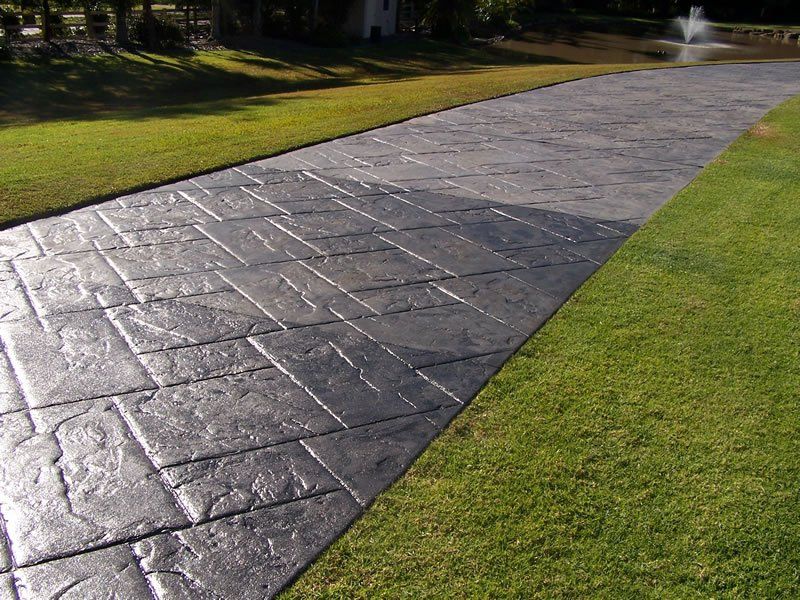
Protect Your Concrete Surface With Our Concrete Sealers
Choosing a sealer to use on concrete driveways is usually a balance between price, performance and appearance. Concrete Colour Solutions provides a range of concrete sealers that a perfect for an array of surfaces. We can help you find the perfect product to suit the needs of your property.
To ensure your concrete driveway, path, patio area or pool surrounds are kept in good condition, applying a good quality sealer to a well-prepared surface following manufacturer’s recommendations.
The type of finish on your surface will determine which type of sealer is recommended. If you are not sure where to start—contact our team today.
Concrete Sealers Are Suitable for All Applications
Concrete Colour Solutions supplies and applies concrete sealers that are suitable for a wide range of applications.
If you've got a concrete surface, whether that's pavers, a slab, textured concrete or concrete that's been stained or polished, odds are that it will benefit from a coat of concrete sealer.
Call on (02) 4970 4295.


What Are Concrete Sealers?
Concrete sealers are a liquid coating that's applied to a concrete surface to protect it from water damage and contaminants. Although concrete is incredibly strong and highly durable, it's also a porous material. Over time, moisture from rain or even frequent mopping can penetrate into the concrete, potentially weakening it.
In addition, untreated concrete stains really easily. Uncoated concrete driveways, for example, are prone to permanent oil stains from the vehicles parked on them; interior concrete can also end up with unsightly stains. A concrete sealer solves these problems (and more), by providing a surface that's impermeable to water.
There are several different types of sealers on the market, including:
- Epoxy coatings.
- Silicon-based coatings.
- Polyurethane coatings.
- Water-based acrylic sealers.
- Solvent-based acrylic sealers.
- Penetrating sealer.
- Densifiers.
We can provide a concrete sealer that's suitable for indoor or outdoor use, as well as one that's selected to work well in the environment your floor experiences.
Type of Concrete Sealers We Use
Solvent-Based Acrylic Concrete Sealers
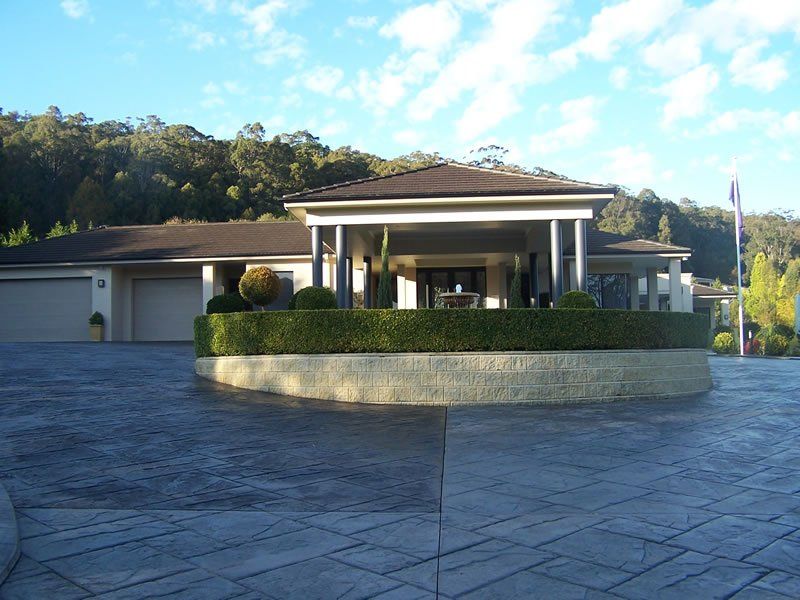
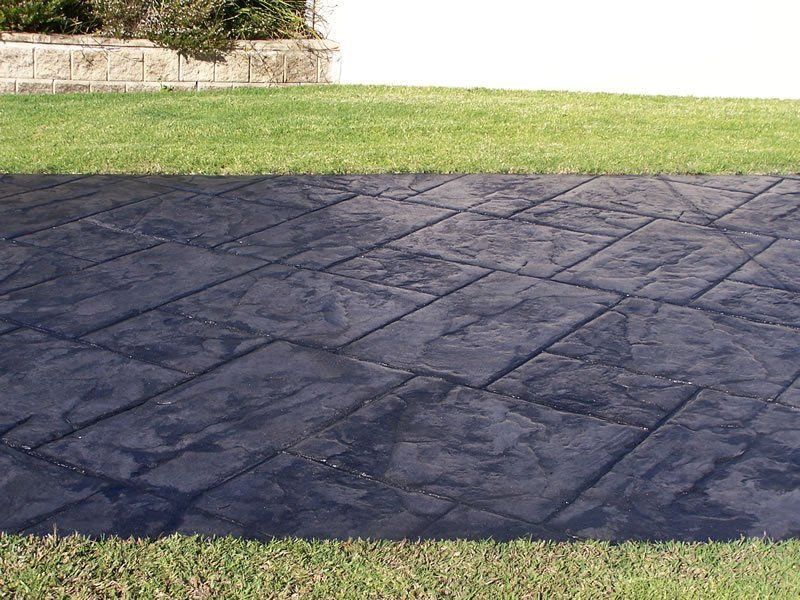
Solvent-based acrylic concrete sealers are the most popular sealer used on concrete driveways, paths, patio areas and pool surrounds.
Solvent-based acrylic sealers will protect and enhance the surface and colour of your concrete whilst providing protection from the elements.
It is widely used by professionals and DIY clients. The sealer is easy to apply and also reasonably priced.
For more information or a data sheet, please
contact
Concrete Colour Solutions.
Water-Based Acrylic Concrete Sealers
Water-based acrylic concrete sealers are becoming more popular as technology advances.
They have the benefit of water dilution and clean up, good durability, low odour (VOCs) with improved hardness and flexibility.
For more information, please contact Concrete Colour Solutions.
Polyurethane Concrete Sealers
Polyurethane concrete sealers are a superior-grade sealer which can be used on all surfaces—from domestic applications, such as driveways, internal flooring and garage floors, to industrial projects.
These sealers are available in a solvent base which have excellent gloss and bond strength. Polyurethane sealers are also available in a waterbase, which have more of a satin appearance while not reducing bond strength. Water-based sealers have low odour (VOCs) and are suitable for internal use.
Both water-based and solvent-based polyurethane concrete sealers have greater durability in comparison to acrylic sealers.
For more information, please
contact
Concrete Colour Solutions.
Epoxy Concrete Sealers
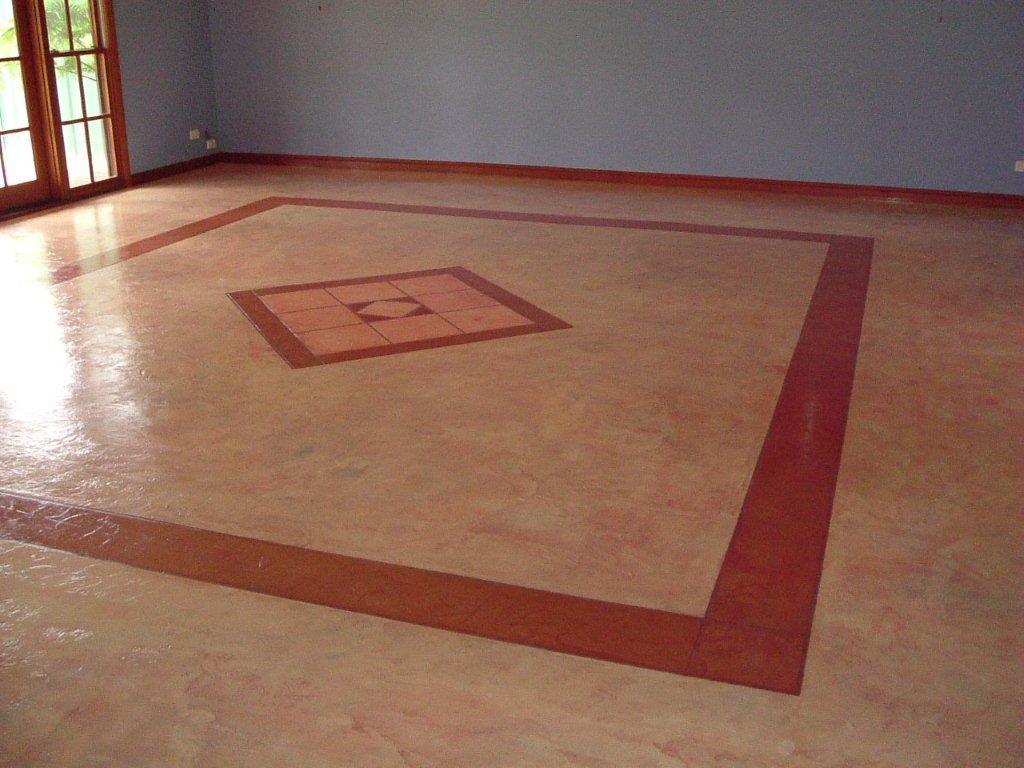
Epoxy concrete sealers are traditionally used in industrial and commercial applications. However, they are becoming increasingly more popular in internal and decorative use.
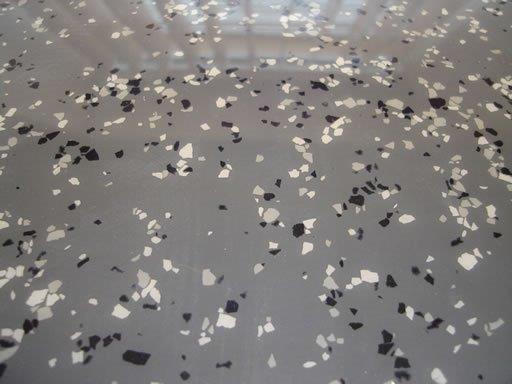
Epoxy concrete sealers are high gloss with a tenacious bond strength, making them an extremely popular choice for durable coating over a wide range of applications, e.g., flake flooring, garage/shed/work bay floor sealers, and commercial floor sealers.
Penetrating Concrete Sealers
Penetrating concrete sealers are used extensively for protection of concrete, bricks, masonry, pavers and sandstone.
The sealer penetrates deeply into the surface and protects against water absorption.
Penetrating concrete sealers also help repel oil and organic-based stains, and will not change the appearance of the surface, leaving it with a natural look.
For more information, please
contact
Concrete Colour Solutions.
Coloured Concrete Sealer
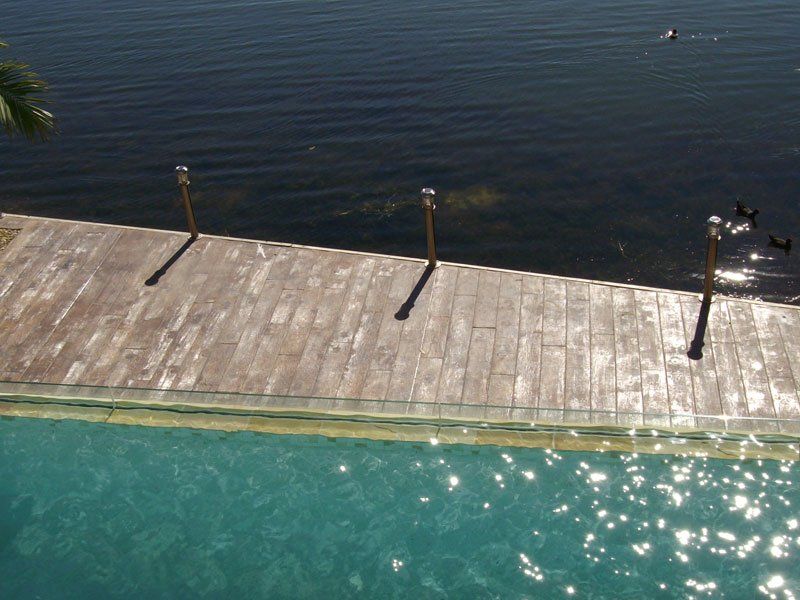
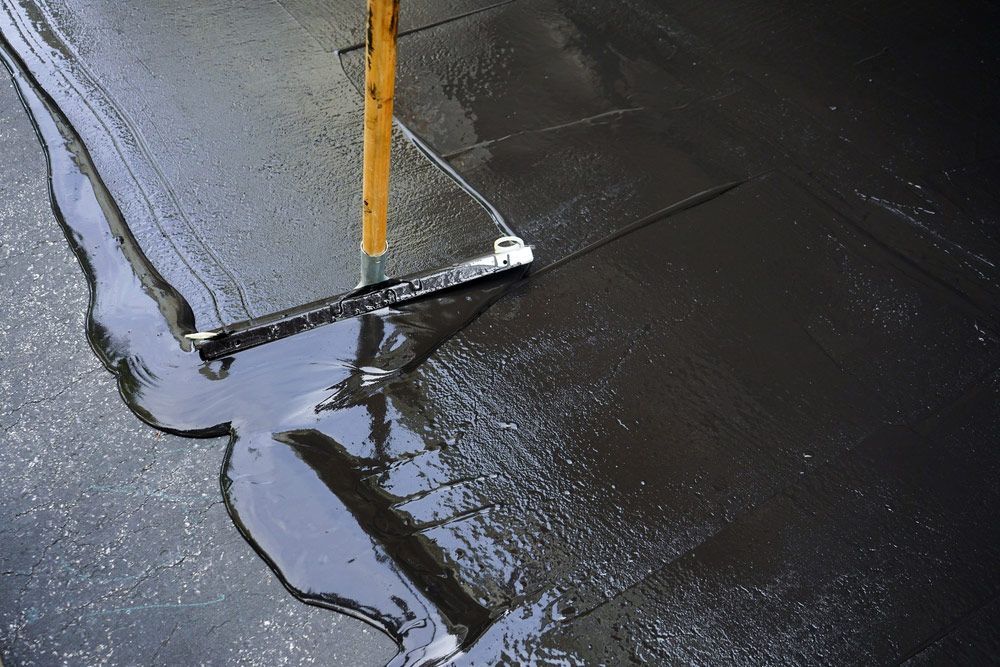
Coloured concrete sealers add aesthetic value, transforming dull concrete into vibrant areas. With a wide selection of colours available, you can match or complement your existing decor, creating a cohesive look that enhances your property's overall appeal. At Concrete Colour Solutions, we provide high-quality coloured concrete sealers in Newcastle that are designed to enhance the beauty of your space while offering unparalleled protection against environmental elements. Whether you're looking to revitalise your driveway, patio or interior floors, our sealers provide a durable, non-slip surface that stands up to heavy traffic. By penetrating deeply into the concrete, our sealers create a barrier that repels water, oil, stains and other contaminants, making your concrete easy to clean and maintain. Contact us today and our team will help you select the perfect sealer for your project.
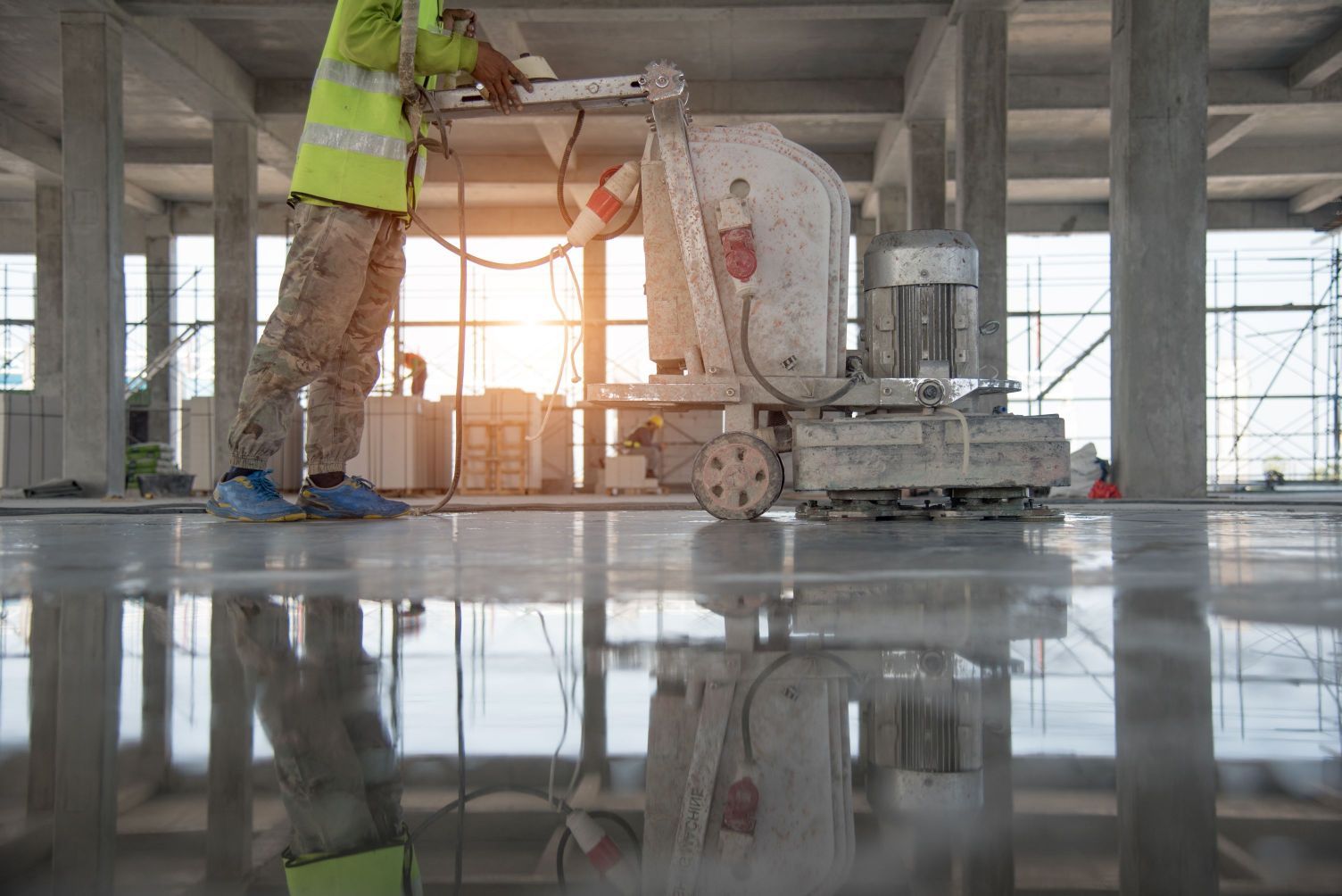
Densifiers Concrete Sealers
Densifiers are a water-based penetrating hardener, dustproofer and densifier for a polished or steel trowel concrete floor.
Densifiers increase abrasion resistance and reduce absorption of liquids into the surface.

Why Use Concrete Sealers?
The main reason that property owners invest in concrete sealers is to prevent moisture and soluble contaminants from penetrating down into the concrete. Although all concrete sealers are impermeable to moisture under normal conditions, some are also resistant to other forms of deterioration, such as UV light, salt, oil (or similar compounds) and changes in temperature.
Protecting the underlying concrete from damage is a key function of a concrete sealer - if water penetrates the concrete, particularly where temperature fluctuations result in freeze/thaw action, the lifespan of the surface may be significantly reduced.
Coatings don't just protect the concrete surface from the effects of weather, accidental spillages or water used for cleaning, tougher coatings also provide a layer of cushioning, reducing the risk of scratches, gouges or chips due to heavy traffic.
A coated floor will usually wipe clean and be almost impossible to stain. If looks matter, coating the concrete will help to preserve its visual appeal. With regular applications of a suitable coating, it's possible for your concrete pavers or interior floor to stay in top condition for decades!
How Long Do Concrete Sealers Last?
The average time that a concrete sealer lasts depends on its composition. The average longevity for the commonest types of sealants is detailed below.
- Epoxy coatings - 5-10 years.
- Silicon-based coatings - depending on the penetration depth, a silicon-based coating can last from 3-25 years.
- Polyurethane coatings - up to ten years.
- Water-based acrylic sealers - 1-3 years.
- Solvent-based acrylic sealers - 1.3 years.
- Penetrating sealer (depending on the type) - up to 25 years.
- Densifiers - 1-3 years (depending on the type).
In general, longer-lasting coatings cost more to buy and apply but need to be applied less often.

Concrete Sealers For Driveways
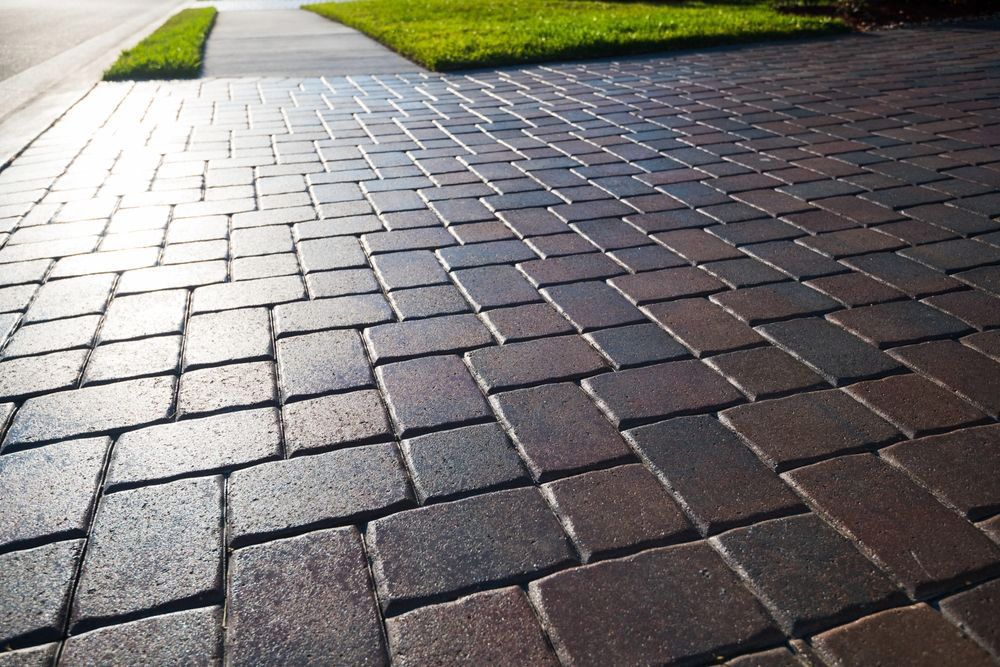
Concrete sealers are important for maintaining the longevity and appearance of your driveway. They provide a protective layer that helps resist damage from water, oil and other substances. This enhances the aesthetic appeal of your driveway and extends its lifespan by preventing cracks and surface degradation.
Concrete Colour Solutions offers a variety of high-quality concrete sealers for driveways that cater to different needs and preferences. These sealers are designed to penetrate the surface, providing robust protection against harsh weather conditions and heavy traffic. Whether you have a new or existing driveway, applying a concrete sealer is a proactive measure to ensure it remains in top condition for years.
Using a concrete sealer for driveways can also enhance the colour and finish of your concrete, giving it a sleek, polished look. The sealer forms a barrier that repels water, dirt and stains, making maintenance much easier. By investing in a concrete sealer, you’re protecting your driveway and adding to the overall value of your property.
Ready to protect and enhance your driveway? Contact us today to find the perfect sealer for your needs!
The Best Sealer For Driveways
Choosing the best sealer for your driveway can significantly improve its durability and appearance. With a range of options available, selecting a product that meets your specific needs is essential. Concrete Colour Solutions provides expert guidance to help you choose the ideal sealer for your driveway.
Acrylic sealers are a popular choice for driveways due to their affordability and ease of application. They form a thin, protective layer on the surface of the concrete, enhancing its colour and providing resistance to stains and UV damage. For those looking for a more durable option, penetrating sealers are an excellent choice. These sealers penetrate deep into the concrete, offering long-lasting protection against moisture and chemicals without altering the surface appearance.
Polyurethane and epoxy sealers are other robust options known for their exceptional durability and resistance to abrasion. These sealers create a thicker coating, making them ideal for driveways that experience heavy traffic. By selecting the best sealer for your driveway, you ensure it remains protected and looks great for years. Discover the best sealer for your driveway with Concrete Colour Solutions.
Contact our team for expert advice and high-quality products!

How To Apply Sealer To A Driveway
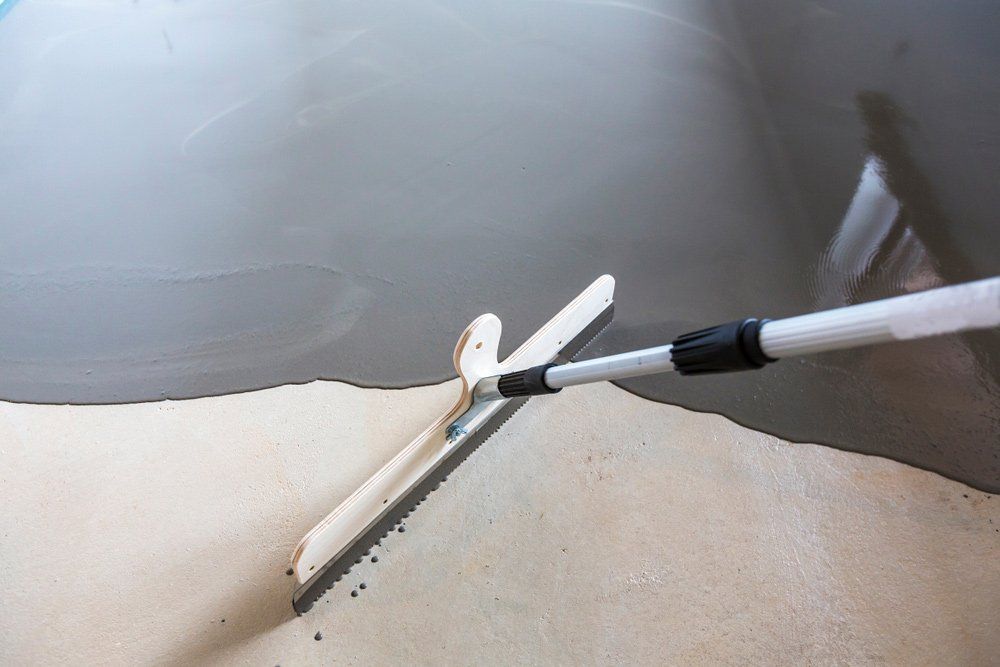
Applying a concrete sealer to your driveway is a straightforward process that can be done by following a few simple steps:
- Clean the Surface: Remove dirt, oil and debris. A pressure washer is effective for this task. Ensure the surface is completely dry before applying the sealer.
- Select the Right Sealer: Choose a concrete sealer for driveways that meets your needs. Follow the product instructions for application and drying times.
- Apply the Sealer: Use a roller or sprayer to apply evenly across the driveway. For a roller, overlap each stroke. For a sprayer, maintain a consistent distance for uniform coverage.
- Dry and Cure: Allow the first coat to dry as per the manufacturer’s recommendations. If necessary, apply a second coat for extra protection. Avoid using the driveway until the sealer has fully cured, which can take up to 48 hours.
Regular
maintenance and reapplication will keep your driveway looking its best and ensure ongoing protection. Need help applying your driveway sealer?
Reach out to Concrete Colour Solutions for expert advice and support!
Why Choose Us For Your Concrete Sealing?
We are a local team of concrete coating specialists with years of experience and expertise in applying coatings to domestic and commercial properties, inside and out. Our team can advise and carry out all aspects of your coating job, from recommending a suitable project to completing the application with meticulous attention to detail.
Concrete Colour Solutions can apply a concrete sealer as a stand-alone project, or as a final coat to a concrete floor that we've resurfaced, stencilled or resprayed. We are a local company that's proud to serve homes and businesses in and around Newcastle.
Call on (02) 4970 4295.