Salt Air And Concrete: Choosing Concrete Sealers In Newcastle For Beachside Homes
Newcastle's coastline is one of its greatest assets, but for homeowners within a few kilometres of the surf, salt air is a constant adversary for exposed concrete surfaces. Driveways, patios and pool surrounds near the beach face a combination of salt-laden air, high UV and coastal humidity that accelerates concrete deterioration far faster than inland properties experience. Choosing the right
concrete sealers in Newcastle for this environment is not just about aesthetics — it is about protection that actually holds up under conditions a generic national product guide will not have accounted for.
Why Coastal Conditions Demand a Different Approach
Salt air deposits chloride ions onto and into concrete surfaces over time. On top of this, Newcastle's coastal UV is intense, humidity is persistently high, and temperature swings place repeated stress on any surface coating sitting on top of the concrete. A product that performs reliably on a sheltered inland patio may blister, peel or fail within a single season on a beachside driveway facing north or east. Understanding the difference between sealer types is the starting point for a decision that will actually protect the concrete below.
Penetrating Sealers vs Topical Sealers: The Key Distinction
The most important choice for coastal concrete is between a penetrating sealer and a topical sealer, and for exposed beachside surfaces the distinction matters more than it does almost anywhere else.
A penetrating concrete sealer — formulated with silane, siloxane or silicate chemistry — soaks into the pores of the concrete and cures inside the material rather than forming a film on the surface. The result is a hydrophobic barrier within the concrete itself that repels water, resists chloride penetration and does not alter surface texture or traction. Because there is no surface film, there is nothing to peel, blister or delaminate under UV or salt air.
A topical sealer — most commonly acrylic — sits on top of the concrete as a film. Solvent-based acrylic sealers are dry to the touch within an hour and fully cure within 36 to 48 hours, making them attractive for jobs that need to be completed quickly. They last between one and three years before reapplication and can provide a gloss or semi-gloss finish that enhances coloured or stencilled concrete. However, a topical film is vulnerable to UV breakdown and can become slippery when wet — a significant consideration for pool surrounds and sloping driveways near the coast.
Which Is the Best Concrete Sealer for Coastal Newcastle Properties?
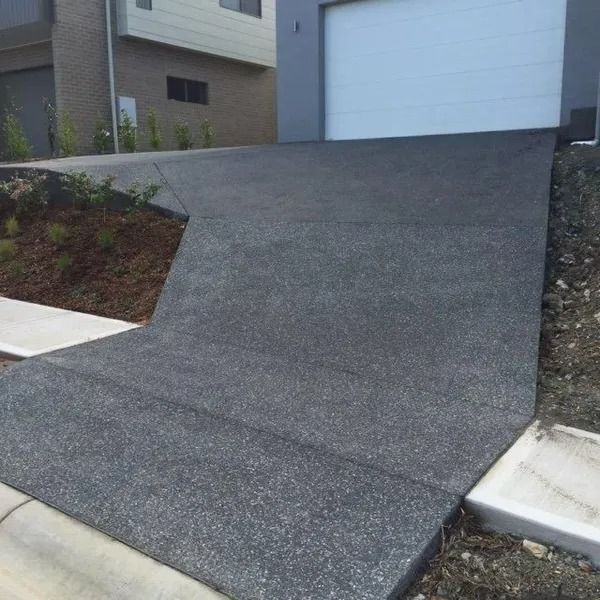
For exposed coastal driveways within a few kilometres of the surf, a penetrating silane or siloxane sealer is the stronger long-term choice. It cures inside the concrete rather than on the surface, so it is not subject to UV-driven peeling on north and east-facing surfaces that receive direct sun for most of the day. It also maintains slip resistance, which matters on driveways and paths where water pools after rain. For the best concrete sealers in Newcastle suited to coastal conditions, penetrating sealers are what experienced local applicators consistently recommend for fully exposed surfaces.
Topical acrylic sealers remain a practical choice where aesthetic finish is the priority and the surface has some shelter from direct sun and salt exposure — covered patios, stencilled concrete and pool surrounds with partial shade are all applications where an acrylic can perform well. Choosing the wrong product for humid conditions is a common cause of the white residue after sealing that many owners report, so product selection matters as much as application technique.
How Much Concrete Sealer Do You Need?
Penetrating sealers typically cover between 4 and 8 square metres per litre depending on the porosity of the concrete. A standard driveway of around 50 square metres will require between 6 and 13 litres for a single coat, with a second coat often recommended for high-exposure coastal surfaces. Acrylic topical sealers generally cover 8 to 12 square metres per litre, with two coats usually sufficient. Buy slightly more than the calculated volume to account for variability in surface porosity — running short mid-application and leaving a section unsealed defeats the purpose of the exercise.
How Long Does Concrete Sealer Take to Dry?
Solvent-based acrylic sealers are dry to the touch within an hour. Full cure, at which point the surface can take vehicle traffic, is reached within 36 to 48 hours. Penetrating sealers feel dry within a few hours but continue curing internally, with most reaching working strength within 24 hours.
In Newcastle's coastal climate, application conditions matter as much as the product's stated dry time. Applying in direct sun on a hot day can cause acrylics to dry too quickly, trapping solvent vapour and creating haziness. Applying in humid or damp conditions can trap moisture under a topical film. Mild, dry days are the ideal application window — this matters more within a few kilometres of the coast than it does inland.
Recoat Intervals for Beachside Properties
Recoat intervals are what most surprises Newcastle coastal homeowners. The commonly cited lifespan of one to three years for acrylic sealers is based on typical conditions — a coastal driveway facing north or east, exposed to salt air and intense UV, will reach the lower end of that range consistently. Properties immediately adjacent to the ocean may need annual inspection and reapplication for a topical sealer to maintain its protective function.
Penetrating sealers generally offer a longer effective lifespan because there is no surface film to degrade, but even these benefit from periodic reapplication on highly exposed surfaces. Following the care and maintenance guidance for your chosen product is the most reliable way to understand when reapplication is due.
How to Apply Concrete Sealer on a Coastal Property
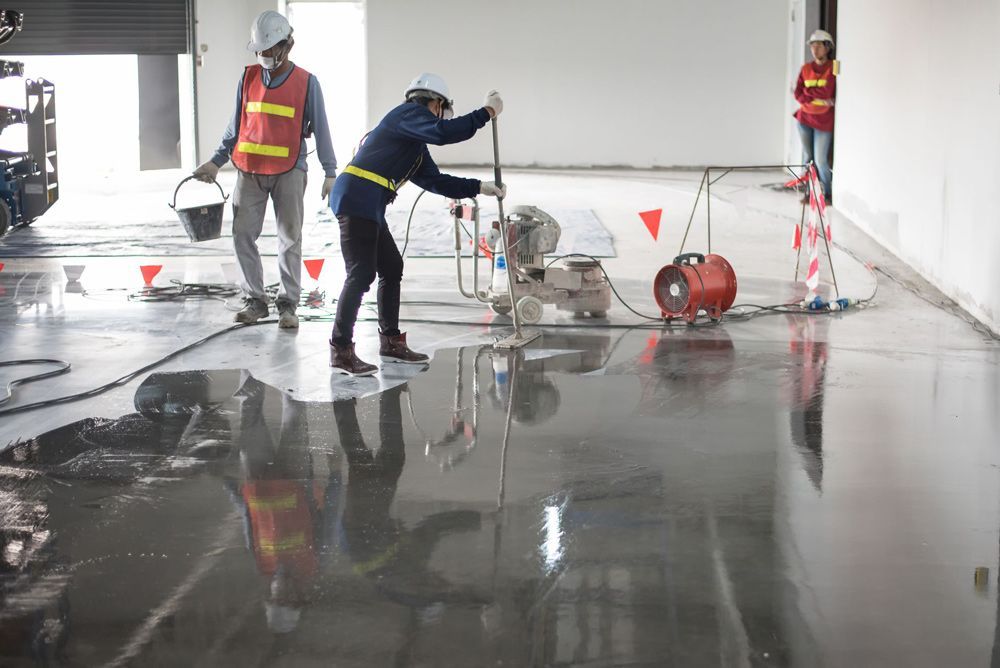
Surface preparation is the step that most directly determines whether a sealer performs or fails early. The concrete must be clean, dry and free of any existing sealer, oil or contaminant before application. High-pressure cleaning followed by adequate drying time is the standard starting point. On coastal properties where salt has been depositing over time, a diluted acid wash may help open the pores before a penetrating sealer is applied.
Penetrating sealers are applied by roller or low-pressure sprayer and worked into the surface before the excess is removed. Acrylic topicals are rolled or sprayed in even coats, with the second coat applied once the first is dry to the touch. Applying too much product in a single coat is a common error with acrylics and increases the risk of bubbling and uneven finish.
Talk to Concrete Colour Solutions About Sealing Your Newcastle Property
Whether you are sealing a new driveway, recoating an ageing patio or protecting a pool surround near the water, choosing the right product for the specific exposure your concrete faces is the decision that determines how long the result lasts. Concrete Colour Solutions supplies a full range of concrete sealers to Newcastle homeowners, tradespeople and DIYers, with experienced staff who can help match the right product to the surface, the location and the finish required. Get in touch today to discuss your project.
Frequently Asked Questions