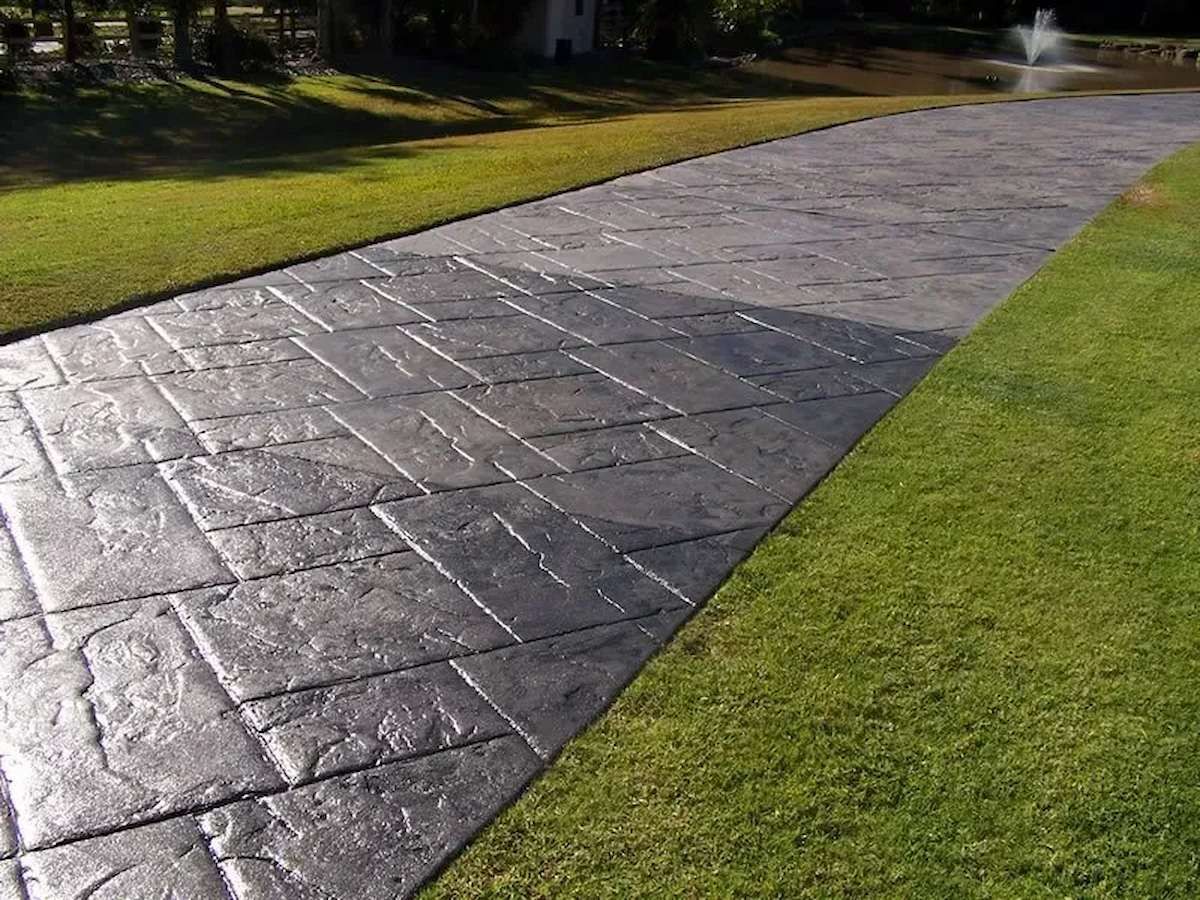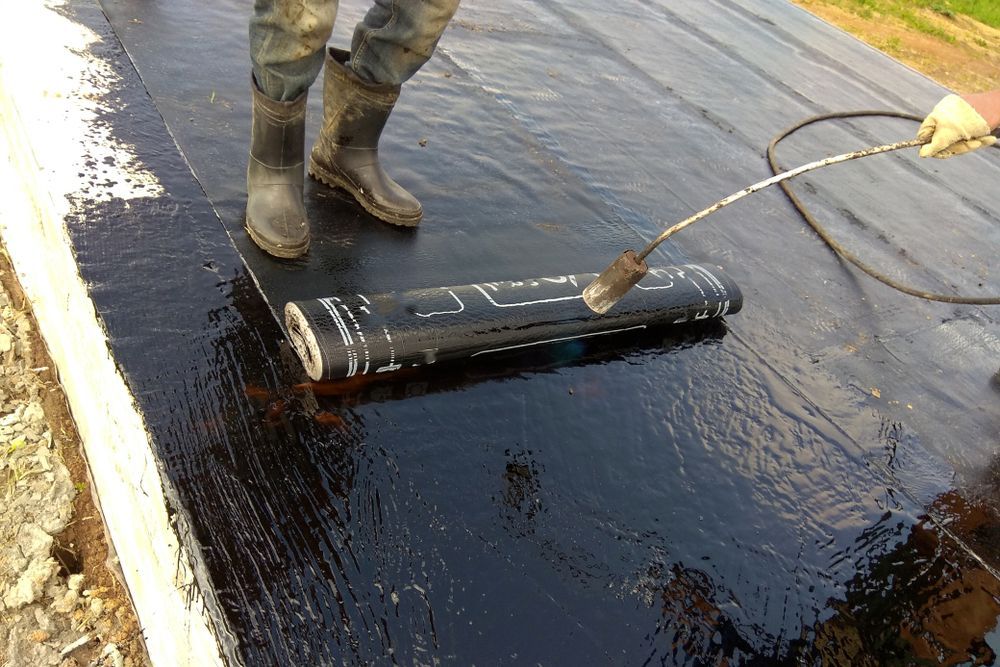
When And How To Seal An Exposed Aggregate Driveway In Newcastle
The right time to seal exposed aggregate is after the surface has been properly cleaned, prepared and allowed to dry completely. For homeowners comparing concrete sealers in Newcastle, the best result comes from matching the sealer to the aggregate, traffic level and finish you want rather than simply choosing the glossiest product.
Why Does Exposed Aggregate Need Sealing?
Exposed aggregate gets its appearance from the stones visible at the surface, but those stones still sit within a concrete matrix that remains porous.
A suitable sealer helps limit moisture penetration, staining and everyday wear while also making the surface easier to maintain. On a driveway, the coating also needs to cope with regular vehicle traffic and outdoor exposure.
The exposed aggregate driveways common across the Hunter need concrete sealers in Newcastle that suit exterior use and the demands placed on the surface.
Sealing can also change the appearance of the aggregate. Depending on the product, it may leave the surface looking relatively natural or deepen the stone colours for a stronger wet-look finish.
When Should You Seal an Exposed Aggregate Driveway?
New concrete needs enough time to cure before most conventional sealers are applied. The exact timing depends on how the concrete was installed and the product being used, so the sealer manufacturer’s instructions should always take priority.
For existing exposed aggregate, resealing becomes worth considering when the surface starts losing its finish, absorbs water more readily or shows visible wear.
Do not simply add another coat because the driveway looks dull. First check whether the old coating is still sound, whether the new product is compatible and whether the surface needs stripping or further preparation.
Skipping maintenance altogether can leave outdoor concrete more exposed to moisture and staining, as covered in what happens if you don't seal outdoor concrete.
How Do You Clean Exposed Aggregate Concrete Before Sealing?
Good preparation matters just as much as choosing the best sealer for exposed aggregate.
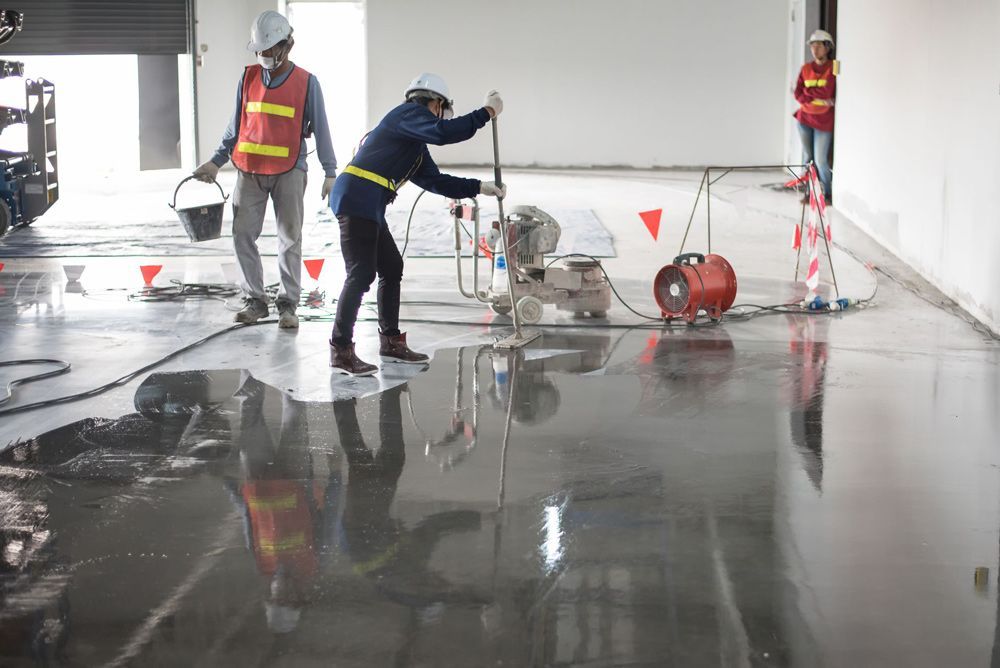
Start by removing loose dirt, leaves and surface debris. The driveway then needs a thorough clean to remove grime, oil, stains and anything else that could prevent the new coating from bonding evenly.
Pressure cleaning may be appropriate for some established surfaces, but avoid aggressive cleaning that loosens stones or damages the surrounding cement paste.
Any existing damage should also be dealt with before sealing. Raised or loose aggregate, cracks and deteriorated sections will not be repaired simply by applying more sealer. Suitable repair products may be needed before the final coating goes on.
Once cleaned, the driveway must dry fully. Moisture left in the concrete can become trapped beneath the coating and contribute to a white, cloudy or milky finish.
How Do You Acid Wash Exposed Aggregate Concrete?
Acid washing helps clean and prepare exposed aggregate by removing surface residue and revealing the aggregate more clearly before sealing.
The process needs care. Too aggressive an acid wash can attack the cement paste around the stones and overexpose the aggregate, while an uneven wash can leave an inconsistent finish.
Always follow the directions for the acid-cleaning product and the concrete system being used. After treatment, the surface needs to be thoroughly rinsed so no residue remains.
Most importantly, allow the driveway to dry completely after washing before applying a solvent-based exposed aggregate sealer. A surface that looks dry can still hold moisture deeper in the concrete, particularly during humid Newcastle weather.
Sealing too soon is one of the easiest ways to trap moisture beneath the coating and create haze.
Should You Choose a Wet-Look or Matte Sealer?
The right finish comes down largely to how much you want the aggregate colours to change.
A solvent-based acrylic sealer typically deepens colour and produces the glossy or wet-look appearance many homeowners associate with sealed exposed aggregate. It can make individual stones stand out more strongly and intensify the overall finish.
A more natural or matte finish is better suited to homeowners who want protection without dramatically changing the appearance of the driveway. Water-based options generally retain more of the original look of decorative concrete.
Neither finish is automatically better. Consider:
- How much you want the aggregate colour enhanced
- Whether the driveway is flat or sloped
- How much vehicle and foot traffic it receives
- Existing coatings on the concrete
- How the finish will look alongside the house and landscaping
Some film-forming sealers may also become slippery when wet, so traction should be considered alongside appearance, particularly on sloping driveways.
How Should Sealer Be Applied to Exposed Aggregate?
Once the driveway is clean, prepared and fully dry, careful application becomes the priority.
Two thin, even coats generally produce a better result than one heavy application. Loading the surface with too much sealer can leave excess product sitting on top rather than curing properly.
Over-application is a common cause of:
- Cloudy or milky patches
- Sticky areas
- Uneven sheen
- Streaks or blotches
Allow the first coat to cure as directed before applying the second. The correct roller, sprayer or other application tool will depend on the sealer.
Newcastle’s coastal humidity also matters. Avoid sealing when the driveway is damp, rain is likely or conditions will prevent the coating from drying properly. Direct hot sun can create the opposite problem by making the sealer cure too quickly.
Why Are Pebbles Coming Loose From My Exposed Aggregate?
Loose stones do not always mean the original concrete was poorly installed.
On an established exposed aggregate driveway in Newcastle, stones beginning to loosen can indicate that the protective coating has worn away or failed, leaving the exposed surface more vulnerable to traffic, moisture and ongoing wear.
The important step is to assess the surface before simply covering it with fresh sealer. If aggregate has already lifted or surrounding concrete is damaged, those areas may need repair first.
Resealing over a deteriorated surface can temporarily improve appearance without solving the underlying problem. Preparation and repair should come before the final protective coat.
How Often Should Exposed Aggregate Be Resealed?
There is no single resealing schedule that applies to every driveway.
How quickly the coating wears depends on the type of sealer, vehicle traffic, sunlight, weather, maintenance and the condition of the original surface. The site notes that sealer lifespan varies considerably with product and exposure, so appearance and performance are often better indicators than relying only on a calendar.
Signs it may be time to reassess the coating include:
- The surface has lost its previous sheen
- Aggregate colours look noticeably flatter
- Water no longer beads as readily
- Stains are becoming harder to clean
- The coating looks patchy or worn in traffic areas
Check compatibility before recoating. Applying a different type of sealer over an incompatible existing product can lead to peeling, streaking or haze.
Choose the Right Sealer Before You Start
Good sealing of exposed aggregate starts well before the first coat goes down. The driveway needs to be sound, properly cleaned, correctly prepared and completely dry, and the sealer needs to suit both the existing surface and the finish you want.
At
Concrete Colour Solutions, we supply water-based and solvent-based concrete sealers in Newcastle for driveways and decorative concrete, including options suited to exposed aggregate. If you are unsure whether you need a wet-look or more natural finish,
contact our team and we can help you choose a suitable product for the surface.
Frequently Asked Questions